3D scanning · flatness · site analytics
Home / Construction
Robotics for construction.
The physical work and the data layer across the asset lifecycle, not a single machine in isolation.
Why construction robotics?
Pressure on productivity, labour and project timelines.
Construction companies across the region face pressure around productivity, labour availability, consistency, safety and project timelines.
FRWRD brings robotic systems into specific parts of the construction lifecycle where automation can create measurable operational value.
One connected project lifecycle
Survey to maintenance, one project.
Grinding · levelling · surface treatment
Rebar · panels · construction equipment
Plaster · spray · tile paving
Point clouds · pipeline · progress data
Facade · floor · infrastructure care
Construction robots
Machines chosen for the work.
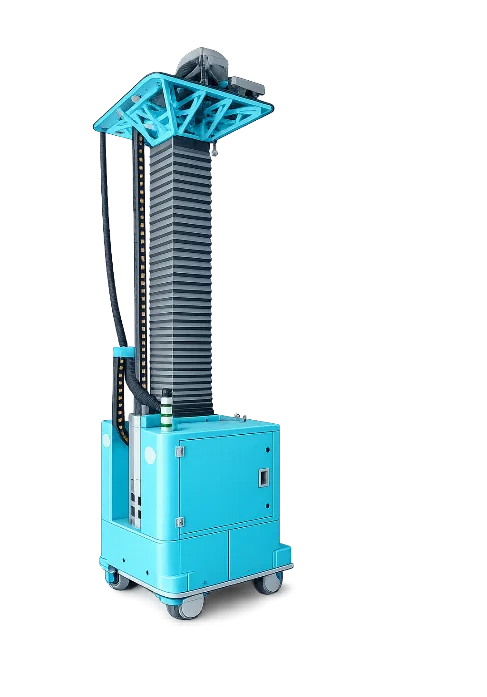
48m²/h
92.5% coverage
5.5+h battery
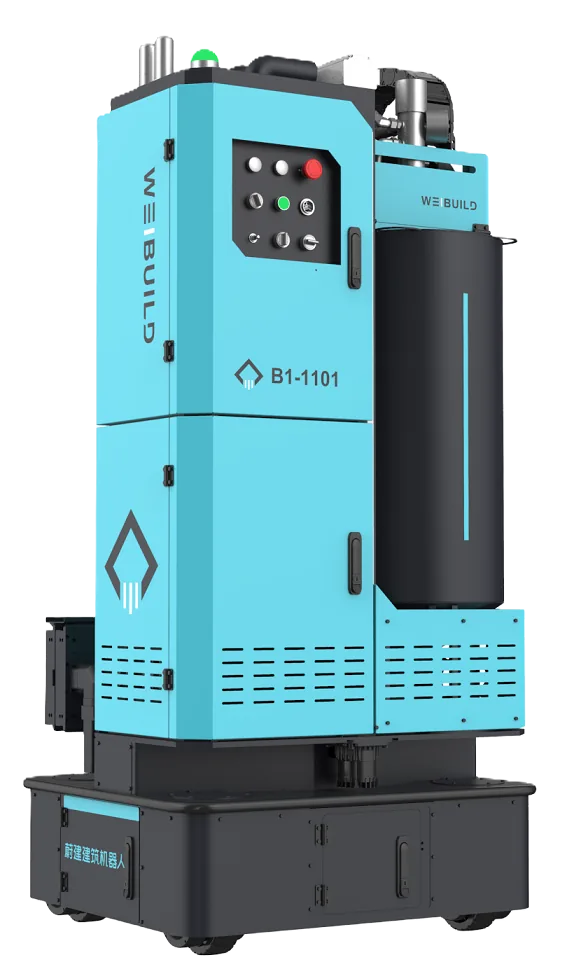
120m²/h putty
200m²/h latex
≥95% coverage
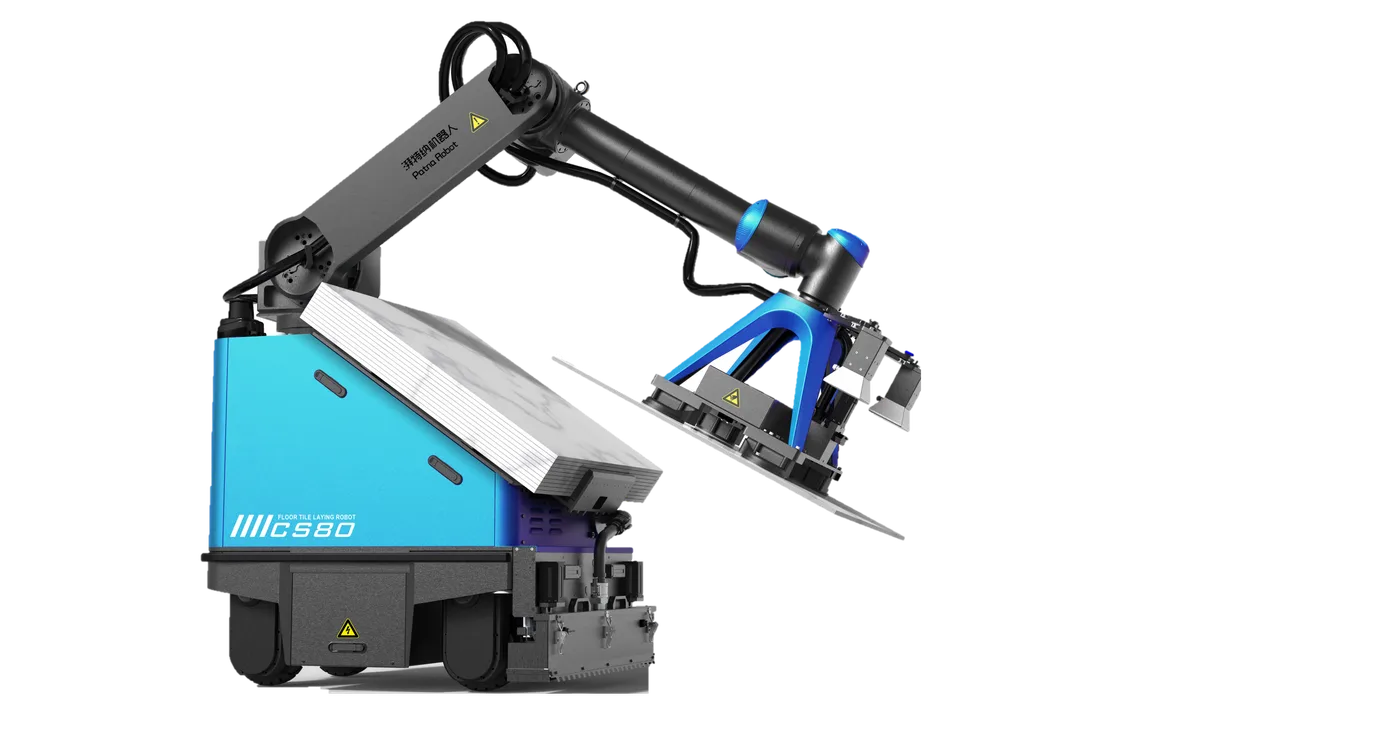
15–18m²/h
4–6×manual rate
1200×600mm tile
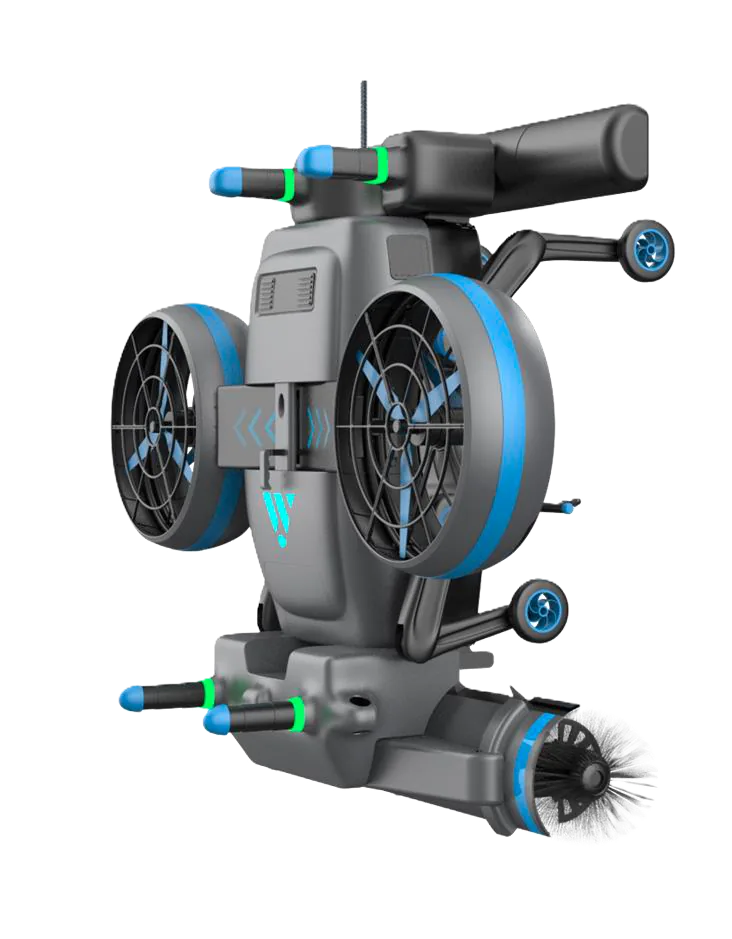
60–100m²/h
≥95% coverage
150m sector
Performance figures are supplied technical specifications; site suitability is evaluated project by project.
FRWRD works with specialist robotics manufacturers globally, selecting and deploying their technology according to the customer application. Technology provider for construction: Emeko.
Construction robotics starts with a defined task.
Construction robotics uses robotic systems for parts of the building and maintenance workflow, including surface preparation, spraying, tile paving and facade cleaning. The catalogue is a starting point, not a promise that every system fits every site.
Describe the work area, repeated task, access and desired outcome. A pilot discussion can help define what should be assessed before a larger deployment.
How we scope it
What to settle before a pilot.
- The taskOne repeated task with an output you can check. A robot is chosen around the task, not the other way round.
- The siteWork area, dimensions, surfaces, access and who else is working there. Drawings or photographs help.
- The systemWhich supplied system fits. Manufacturer figures are reference specifications, not guaranteed output on your project.
- The evaluationWhat a useful result looks like, and what your team needs to operate the system.
- After handoverEngineering integration, commissioning, training and maintenance from FRWRD. Scope and operation responsibilities are agreed for the project.
Buyer questions
Start with the task.
Can this be used on an active site?
Suitability, access, work-zone arrangements and interaction with other activity need assessment. This page is not a safety approval for an active site.
Can I request a pilot before committing?
Discuss the task and a pilot scope. Availability, terms and the evaluation plan must be confirmed for the selected system.
Is purchase or rental available now?
The commercial model, lead time and availability are confirmed during scoping. This website does not guarantee live stock or bookings.
Does FRWRD manufacture the robots, or source and deploy them?
FRWRD does not manufacture robots. We work with specialist manufacturers and GCC customers, handling supply, deployment, engineering integration, commissioning, training and maintenance. The scope is agreed for the selected system and project.
What does adapting a robot to my site involve?
It starts with the task, the work area, access and the existing workflow. What needs to change in the configuration or the way the team works depends on the system and the site, and is agreed as part of the pilot scope rather than assumed up front.
What training and support follow deployment?
FRWRD handles engineering integration, commissioning, training and maintenance as part of its delivery model. The exact scope, operation and onsite responsibilities are agreed for each project; there is no standard staffing package assumed.
Start with the task
Bring us a task.
We will define the path.
FRWRD Intelligence
Based in Abu Dhabi and Doha · Serving the GCC
Enquiries are read by the FRWRD team
- We read your taskTell us what you want to automate, where and why. A few lines is enough to start.
- We tell you if it fitsWe say whether a system looks suitable and what would need assessing on your site.
- We agree a next stepUsually a scoped pilot or evaluation, with terms confirmed for the specific robot and project.