MangoBot partner footage · short excerpt
01 / Industrial & infrastructure assessment
Stairs & uneven ground
Check the route before choosing an inspection platform.
Explore the use case
Home / Robots / Industrial & Infrastructure
Wheeled humanoids and quadrupeds that carry loads and cover rough ground. Logistics, transport, inspection and rescue.
Robots for this sector
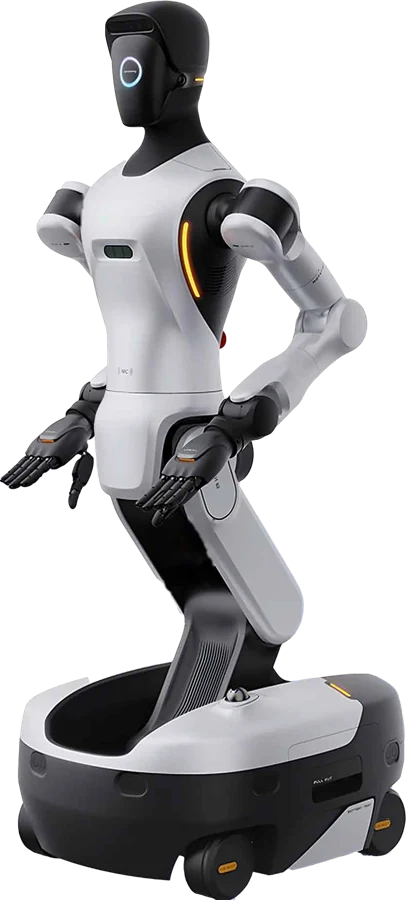 Industrial humanoid
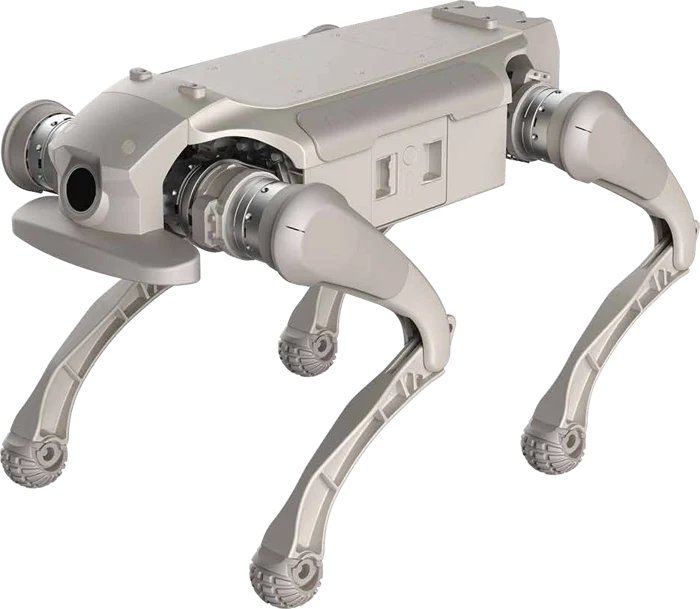 Quadruped
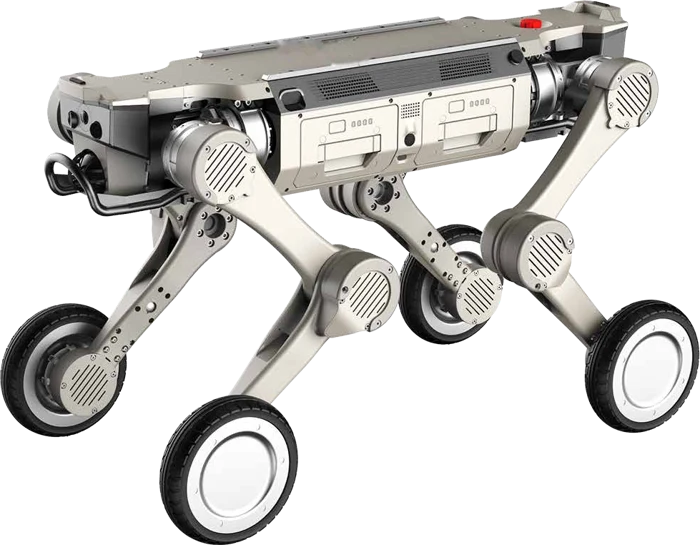 Quadruped
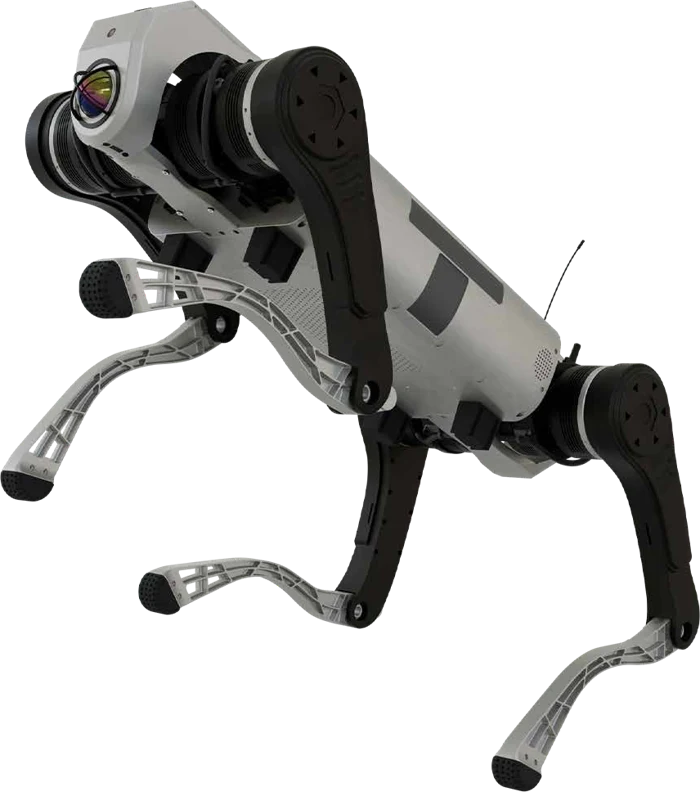 Quadruped
From footage to a use case
01 / Industrial & infrastructure assessment
Check the route before choosing an inspection platform.
Explore the use casePartner demonstrations from MangoBot, not FRWRD deployments. Assessment is required for your site.
Other sectors
Hospitality, Events & Public Spaces ↗ Education & Research ↗
Start with the operation: inspection, material movement or a repeated physical task. Choose a robot against access, terrain, payload and the workflow, not simply the form factor.
Inspection is one application within industry and infrastructure. Explore the inspection guide for the questions that need answering before choosing a system.
How we scope it
Buyer questions
Start with the task, route, operating conditions and the result to measure. Scope and commercial terms must be confirmed for the selected system.
For an industrial project, FRWRD provides engineering integration, commissioning, training and maintenance. The scope and operation responsibilities must be agreed for the selected system. An included staffing package is not assumed.
Compare the task, route, operating conditions and the result to measure, then confirm fit with FRWRD. Bring the requirement rather than choosing from specifications alone.
FRWRD does not manufacture the systems shown here. FRWRD supplies systems and handles deployment, engineering integration, commissioning, training and maintenance. The scope is agreed for the selected system and project.
For industrial use, start with the task, route, operating conditions and the result to measure, access and the existing workflow. Configuration changes and the responsibilities of the team must be agreed for the pilot, not assumed.
An industrial pilot should have a defined task and a result that can be checked. Bring the task, route, operating conditions and the result to measure. Agree what to measure, including the result, operating time and the effort needed to run the system. See robotics pilots.
Ask about the selected system and project. Purchase, rental and pilot availability and terms are confirmed individually; this page does not guarantee that every system is available to rent.
Start with the task
FRWRD Intelligence
Based in Abu Dhabi and Doha · Serving the GCC
Enquiries are read by the FRWRD team